 By admin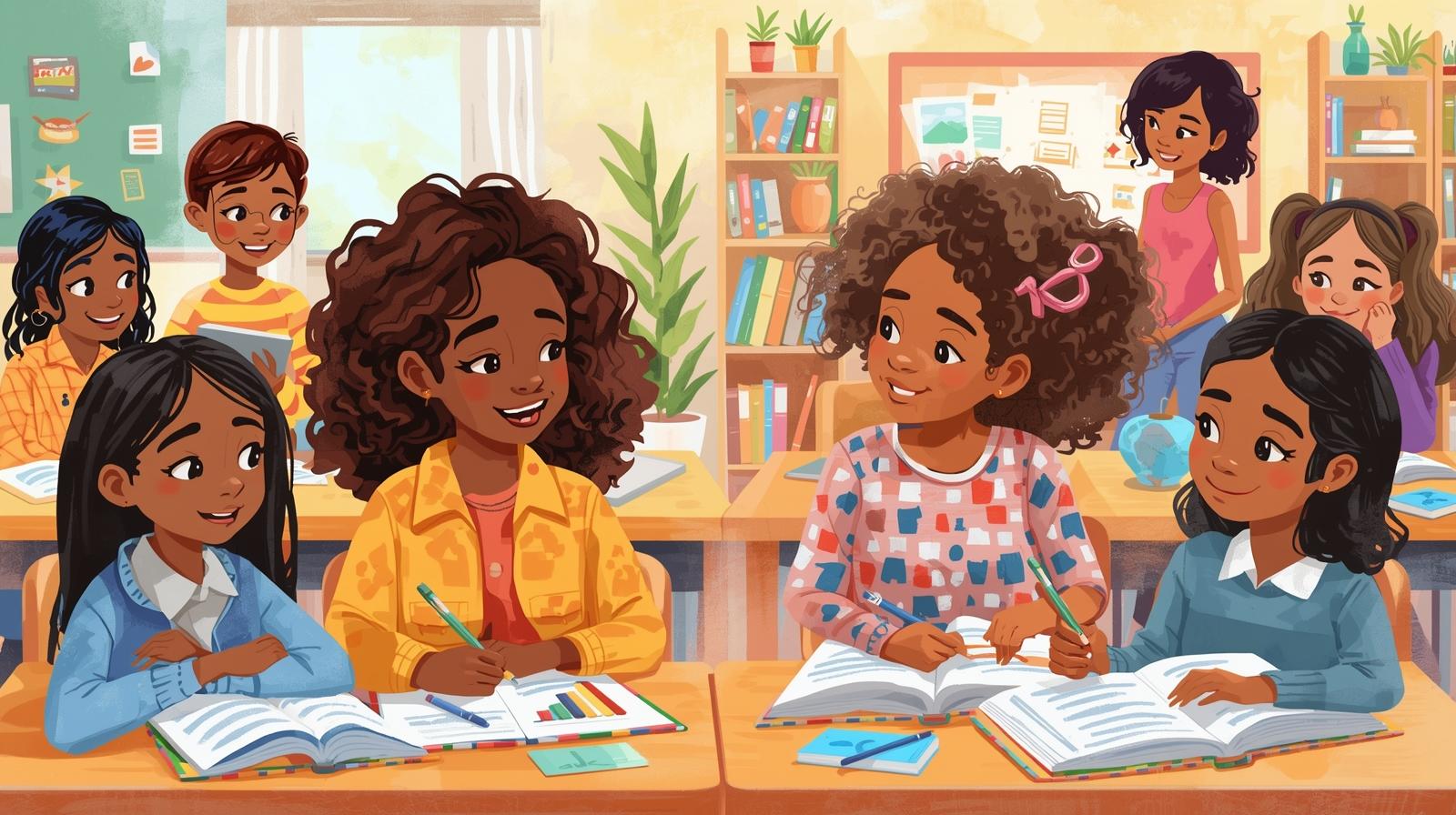
Understanding the Concept of Inclusive Education
Inclusive education is an approach that ensures students with special learning needs are educated alongside their peers in the same classrooms rather than being separated into specialized institutions. It is built on the principle that every child, regardless of their physical, cognitive, or emotional differences, has the right to quality education. Inclusive education focuses not only on integrating students but also on creating an environment that supports their individual needs through tailored teaching methods, supportive policies, and positive attitudes.
Breaking Down Barriers to Learning
For many years, students with special learning needs faced barriers that limited their opportunities to thrive academically and socially. Inclusive education works to eliminate these barriers by promoting accessible teaching practices, adaptive learning materials, and assistive technologies. This approach ensures that students are not excluded from classroom activities but are instead provided with equal chances to participate, learn, and succeed. By fostering inclusivity, schools create environments where differences are respected and valued, helping students build confidence in their abilities.
The Role of Teachers in Inclusive Classrooms
Teachers play a crucial role in the success of inclusive education. They are not only responsible for delivering lessons but also for adapting their teaching strategies to meet diverse needs. This may involve differentiated instruction, personalized learning plans, and the use of multi-sensory teaching methods. Training and professional development programs help teachers acquire the skills necessary to address challenges in inclusive classrooms. When educators are equipped with the right tools, they can create engaging lessons that cater to all students, including those with disabilities or learning difficulties.
Enhancing Social Skills and Peer Relationships
Inclusive education is not only about academics; it also helps students with special learning needs develop essential social skills. By learning alongside their peers, they gain opportunities to form friendships, improve communication, and build a sense of belonging. Similarly, students without special needs benefit by developing empathy, understanding, and respect for diversity. Inclusive classrooms thus prepare all children for a more cooperative and compassionate society where differences are celebrated rather than stigmatized.
The Role of Technology in Inclusive Education
Technology has become a powerful tool in supporting inclusive education. Assistive technologies such as screen readers, speech-to-text software, communication devices, and interactive digital tools help students with learning challenges access the same content as their peers. Virtual learning platforms also provide flexibility, allowing students to learn at their own pace. By incorporating technology into classrooms, schools can bridge gaps in learning and ensure that students with special needs are not left behind.
Improving Academic Outcomes and Opportunities
Research has shown that inclusive education improves academic outcomes for students with special learning needs. With proper support systems in place, these students can achieve higher levels of success compared to those in segregated environments. Exposure to mainstream curricula challenges them to reach their full potential, while additional resources such as teaching aides and learning support centers provide necessary guidance. Over time, inclusive education opens doors to higher education, employment, and independence, giving students more opportunities to contribute meaningfully to society.
Building a Culture of Acceptance and Equality
Inclusive education promotes values of equality, fairness, and respect within schools. When children grow up learning in diverse classrooms, they are more likely to carry these values into adulthood. This contributes to building inclusive communities and workplaces in the future. For students with special learning needs, being accepted and valued in their formative years reinforces their self-worth and motivates them to pursue their goals confidently.
Collaboration Between Schools, Families, and Communities
The success of inclusive education relies on collaboration among educators, families, and communities. Parents play an important role in advocating for their children’s needs and working with teachers to design personalized education plans. Communities and policymakers also have a responsibility to provide resources, training, and support systems that make inclusion possible. When all stakeholders work together, inclusive education becomes a sustainable and impactful approach.
Conclusion: Creating a Future of Equal Opportunities
Inclusive education is more than just a teaching model—it is a movement toward equality and empowerment. By including students with special learning needs in mainstream education, schools create opportunities for academic success, personal growth, and social inclusion. It not only benefits those with learning challenges but also enriches the learning experience of all students. Ultimately, inclusive education lays the foundation for a society where every individual, regardless of ability, has the chance to learn, grow, and succeed.